Updated November 20, 2026
Safety at Work Using Convex Mirrors
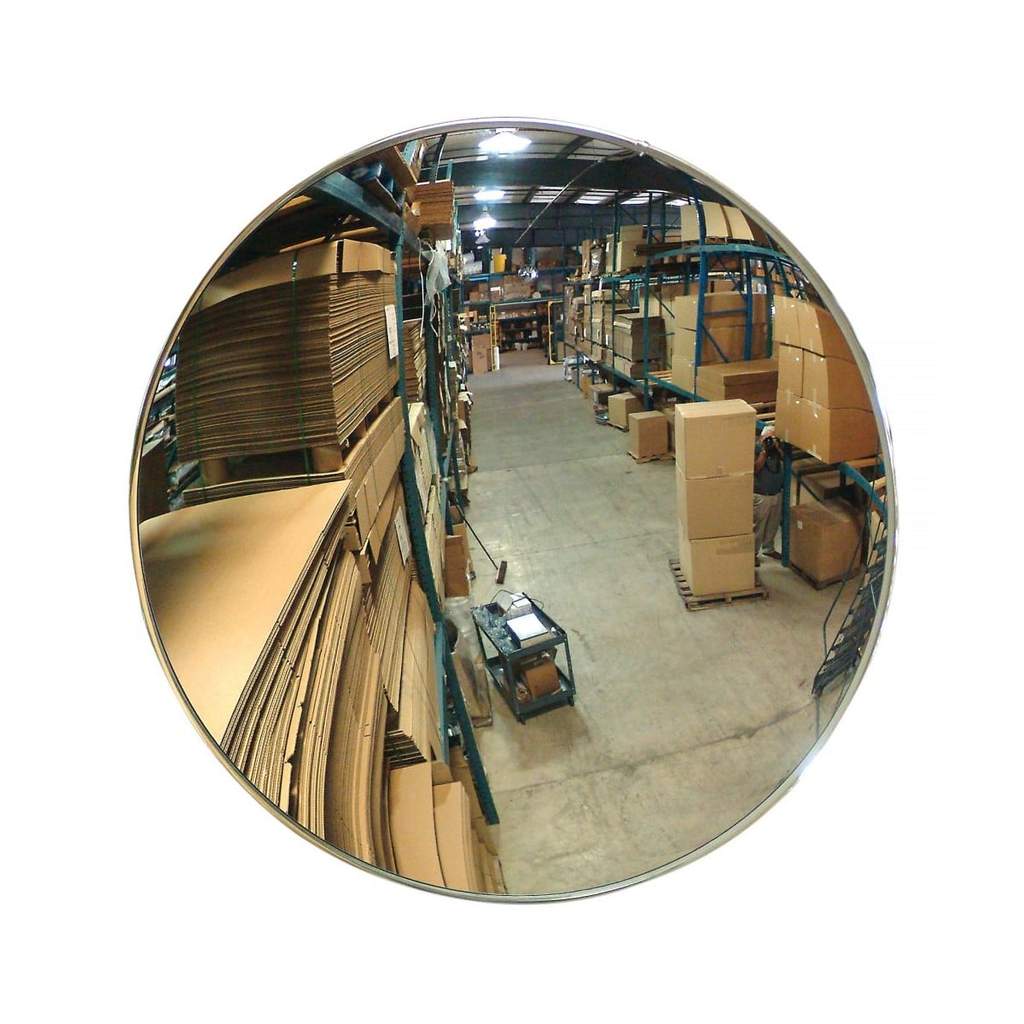
See how convex mirrors improve workplace visibility at corners, equipment lanes, and other blind spots where employees need earlier sight lines.
Resources
Browse mirror-selection guides, installation notes, material explainers, and application articles tied directly to National Safety Mirror product families.
Browse Resource Topics
Editorial planning guides for blind spots, facility layouts, traffic visibility, inspection work, and mirror safety applications.
Articles focused on convex mirror sizing, acrylic vs. polycarbonate choices, blind-corner visibility, and outdoor traffic applications.
Driveway and traffic mirror articles covering blind exits, road approaches, wider-angle options, and outdoor visibility planning.
Dome mirror articles for aisle intersections, retail surveillance, warehouse coverage, and full, half, or quarter dome selection.
Parking garage and low-clearance mirror articles that focus on ramps, tight turns, ceiling limits, and driver visibility.
Material-focused articles that explain HDPE, hardboard, galvanized steel, and when backing choice matters for weather or abuse resistance.
Recent Articles
Use the newest articles below to compare applications, product families, and installation concerns before moving into a category or product page.
Updated November 20, 2026
See how convex mirrors improve workplace visibility at corners, equipment lanes, and other blind spots where employees need earlier sight lines.
Updated November 20, 2026
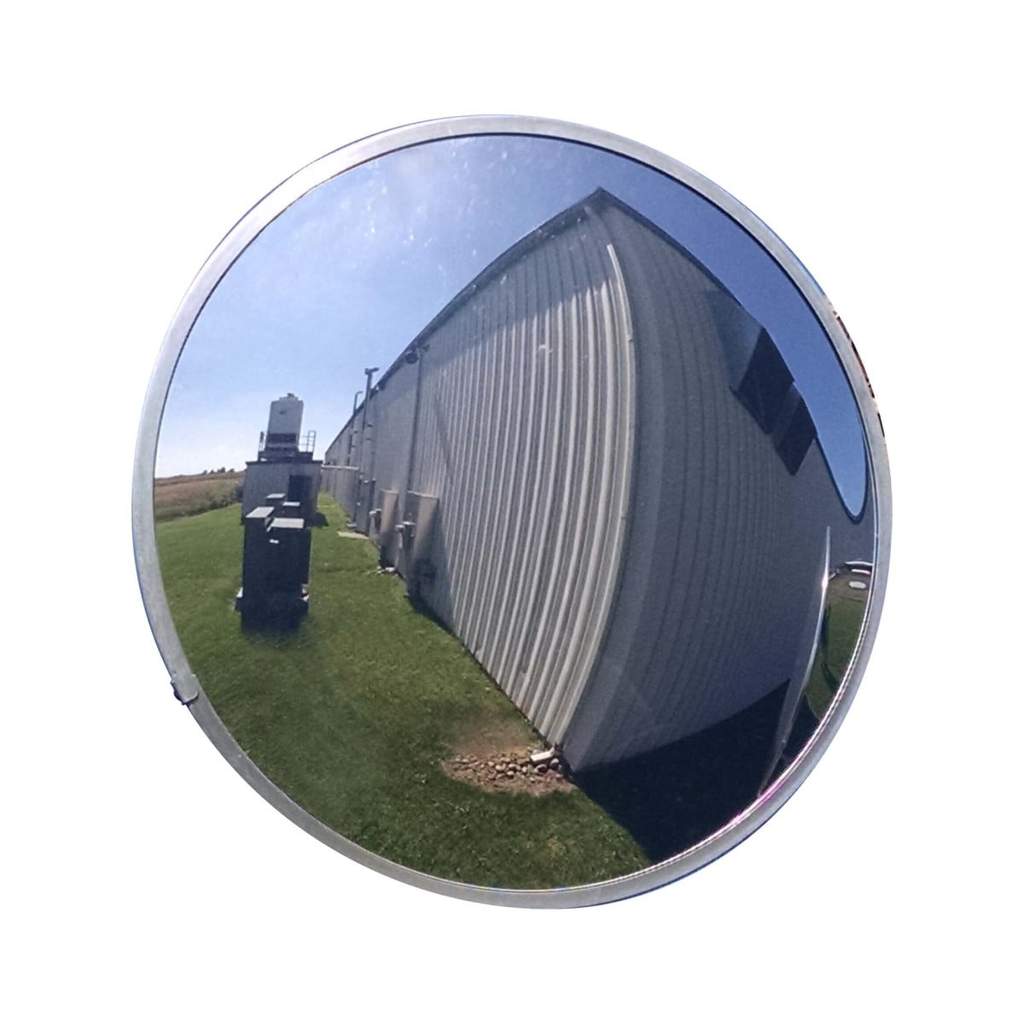
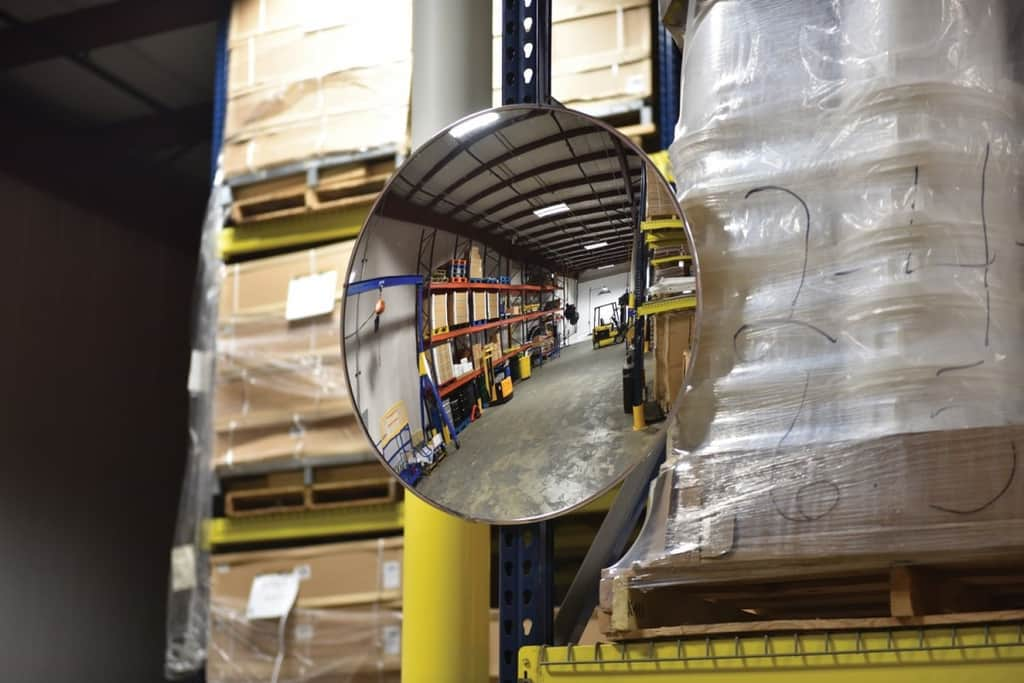
A round mirror with an outward-curved face is called a convex mirror. The curve lets you see a wider area than a flat mirror of similar size, which helps at corners and aisle crossings. Objects look smaller in the reflection, so check whether the mirror shows enough detail from your viewing position.
Updated November 13, 2026
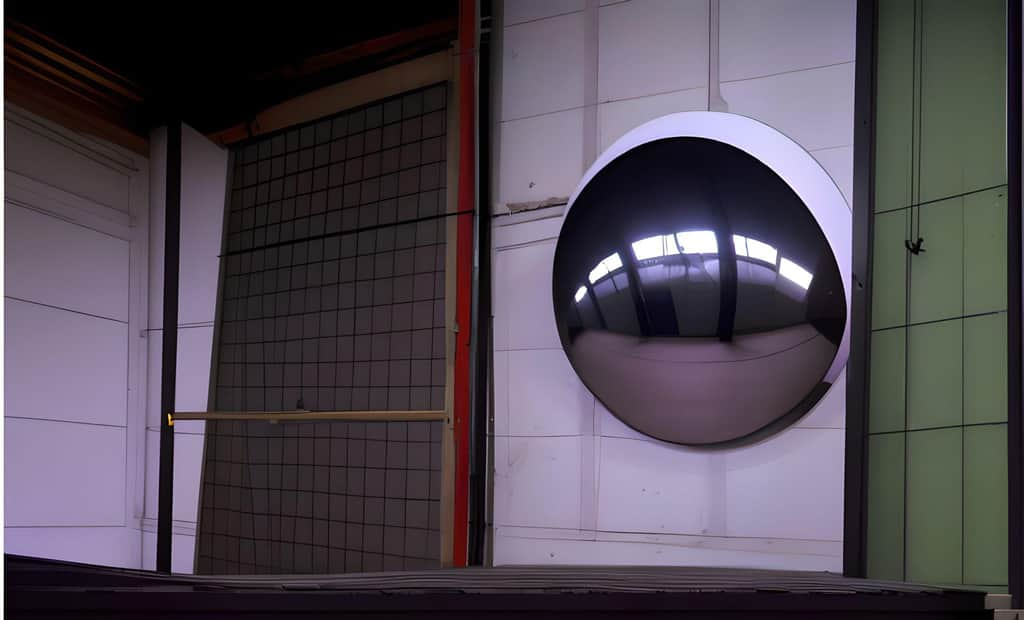
Compare full, half, and quarter dome mirrors, see how coverage changes by placement, and use the article to narrow the right dome style.
Updated November 13, 2026
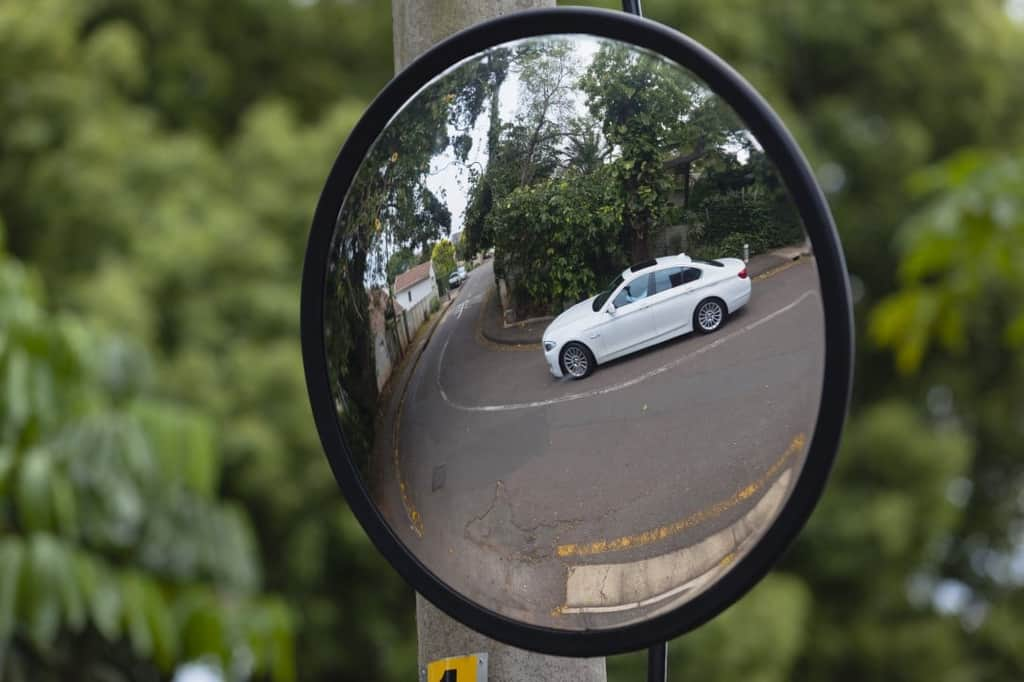
Compare DomeVex driveway mirrors with rectangular traffic mirrors and see when the wider-angle DomeVex view is worth the switch.

Updated November 13, 2026
Understand how traffic mirrors reduce blind spots at driveway exits and curves, and what to consider before choosing outdoor convex coverage.
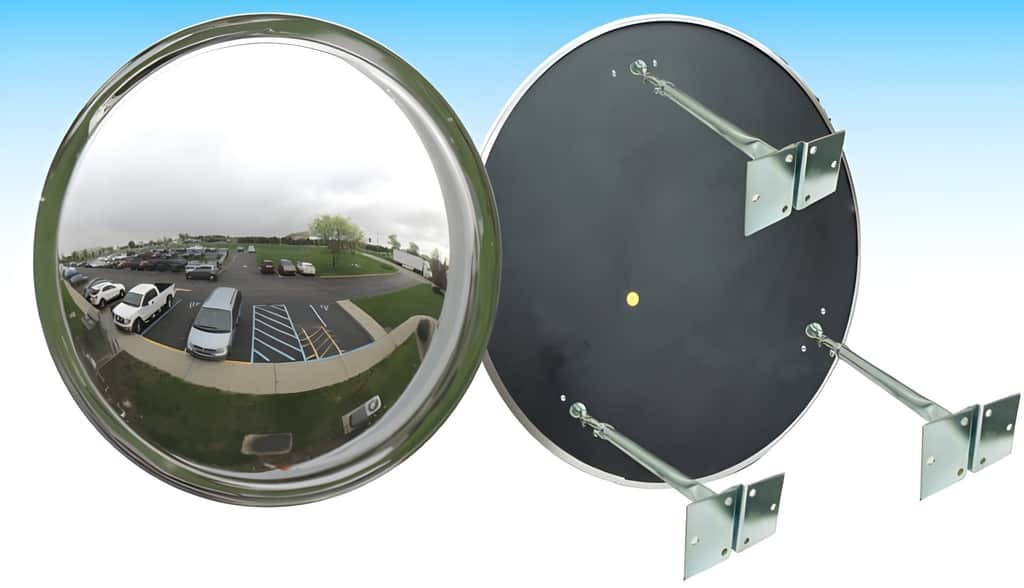
Updated November 13, 2026
Learn why DomeVex mirrors are popular at blind driveway exits and how their wider view compares with more conventional traffic mirror shapes.
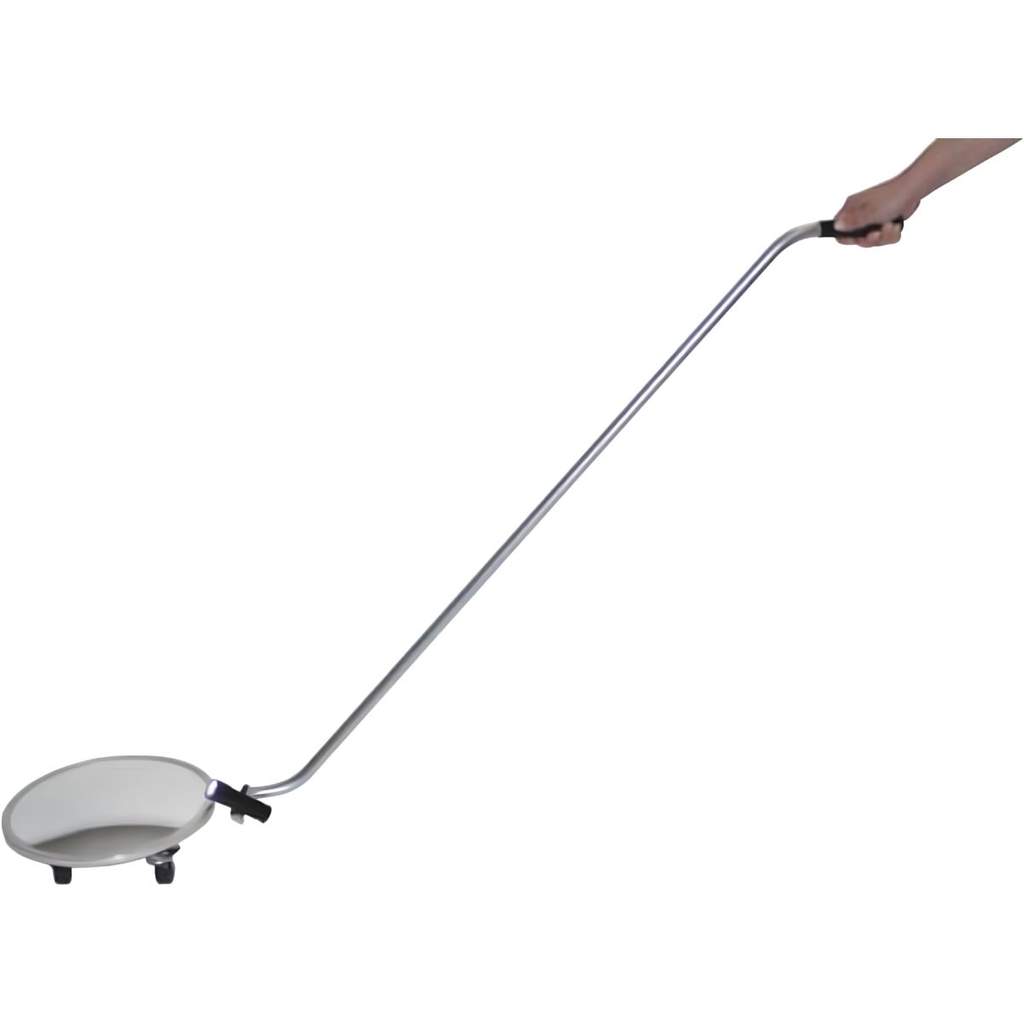
Updated November 13, 2026
See when vehicle inspection mirrors make sense for checkpoints, events, and controlled-access sites, and which features matter during real inspections.
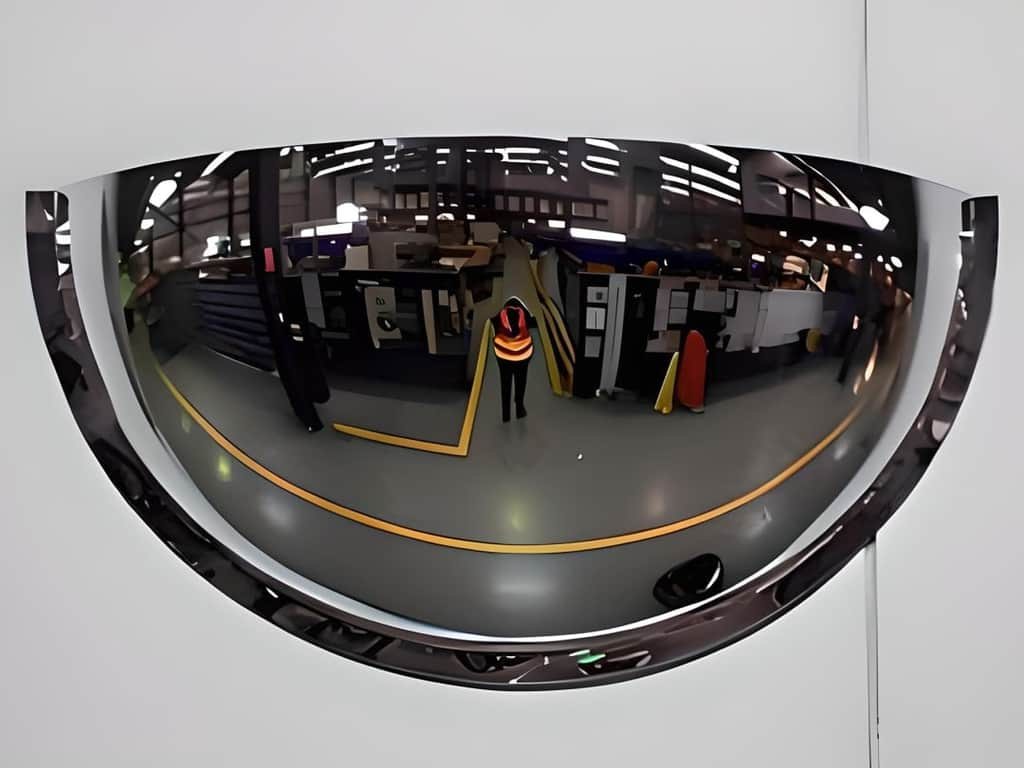
Updated November 13, 2026
Learn where convex mirrors and dome mirrors fit best, how each improves visibility, and which installations benefit most from a wider field of view.
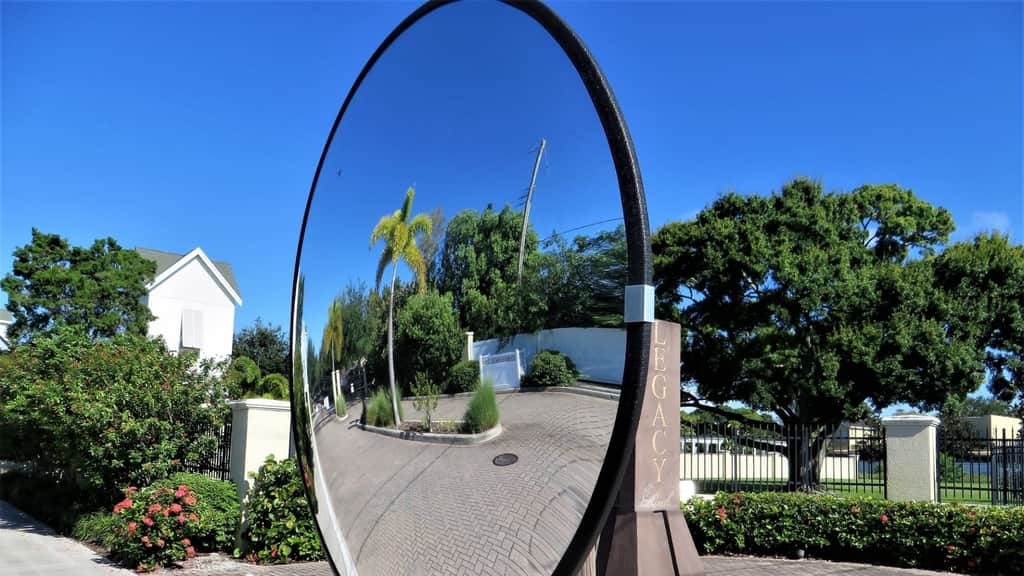
Updated November 13, 2026
Learn how driveway mirrors improve blind-spot visibility and what to consider before choosing a mirror for a home, farm, shop, or private road exit.
Updated November 13, 2026
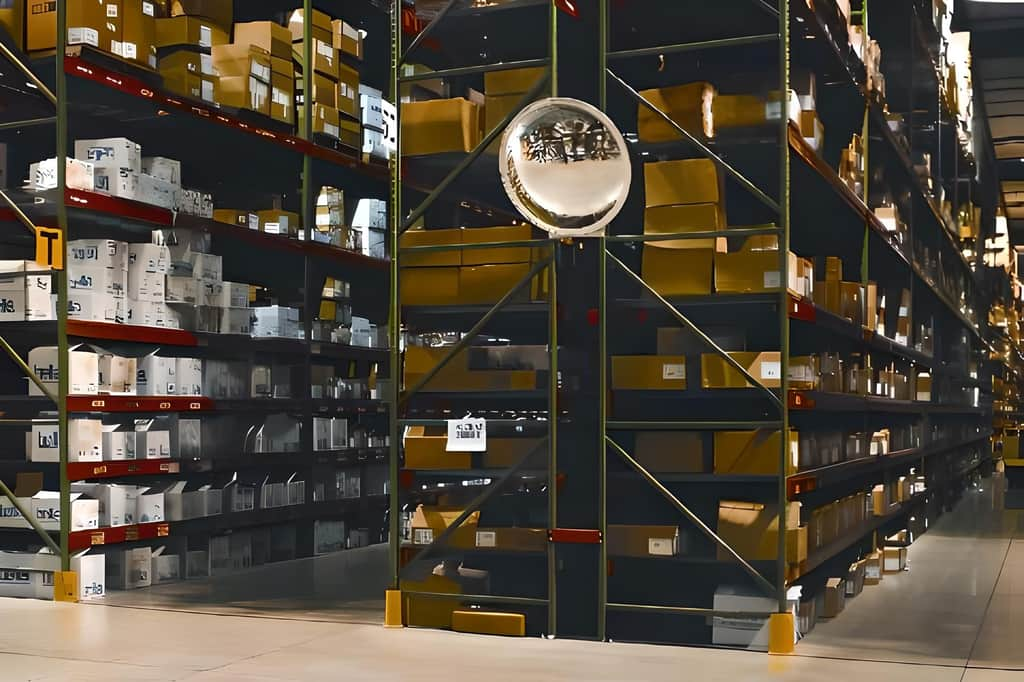
Map forklift routes, rack ends, and pedestrian paths before finalizing a warehouse layout. Look for crossings where people or equipment can approach unseen. Plan mirror positions around those sightlines, then check the reflected view from each approach as part of the facility’s wider plan for managing traffic.
Updated November 13, 2026
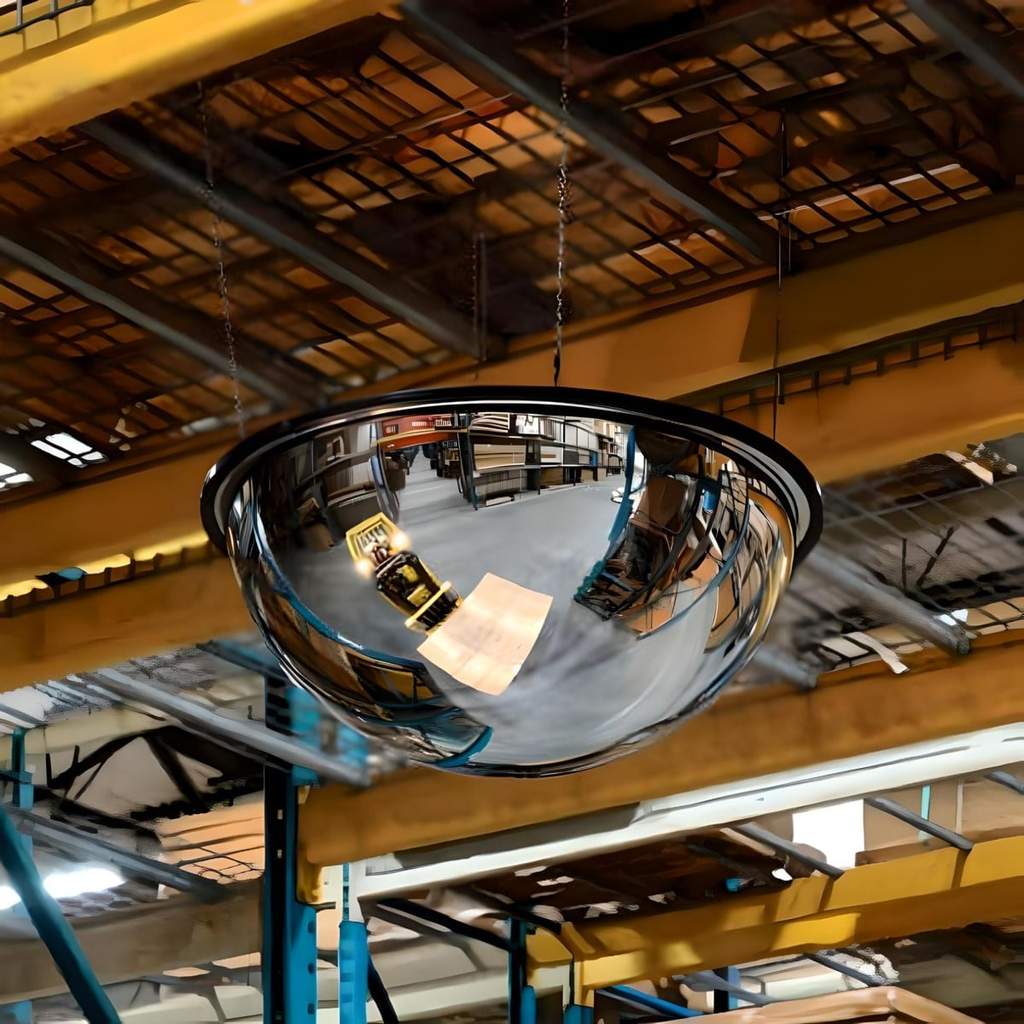
Understand where full dome mirrors work best in warehouses, how hanging placement affects visibility, and why full coverage matters at open intersections.
Updated November 13, 2026
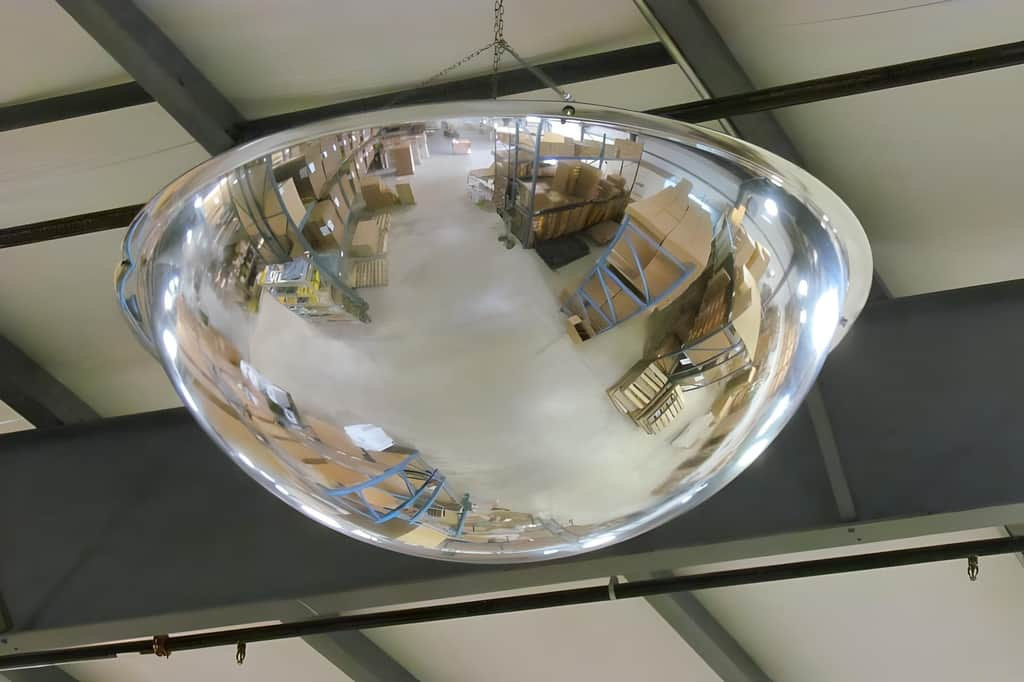
Use a full dome mirror over the center of a four-way warehouse crossing so people can check for traffic from each approach. Choose a mounting height that clears forklift masts and loads, then verify the reflection from each approach. Include the mirror in the facility’s broader traffic plan.
Updated November 13, 2026
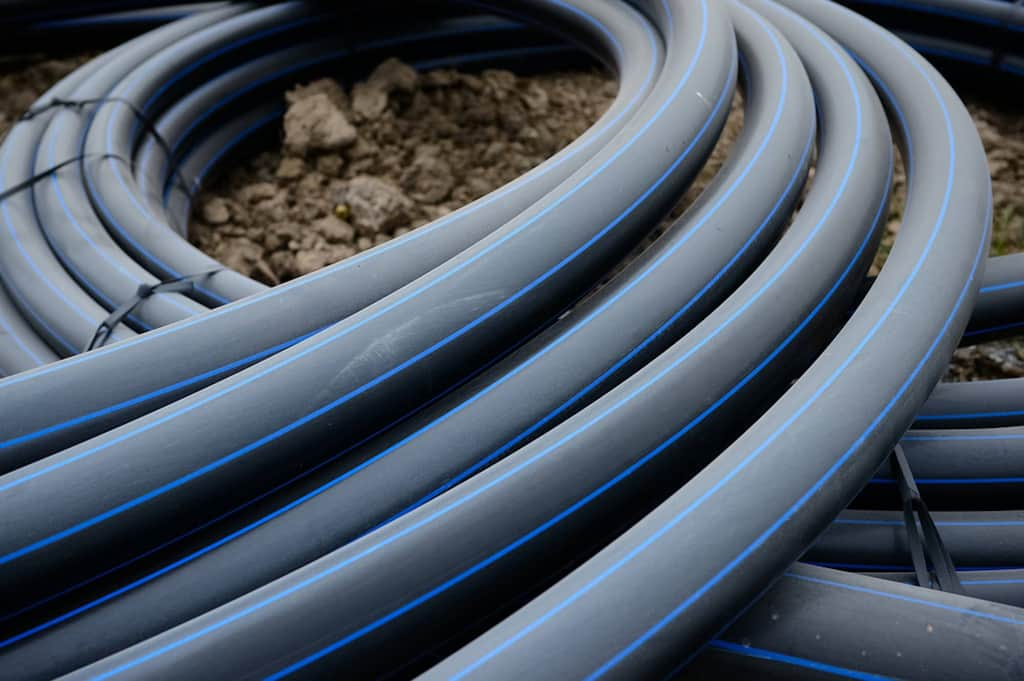
Understand how HDPE performs as a mirror backing material, including impact resistance, moisture resistance, and why it is used in many safety mirrors.
Updated November 11, 2026
See when one larger convex mirror provides a cleaner, more useful view than several smaller mirrors at a driveway or road approach.
Updated May 6, 2026
Review the practical reasons buyers choose acrylic convex mirrors, including clarity, cost, weight, and typical workplace use cases.

Updated April 15, 2026
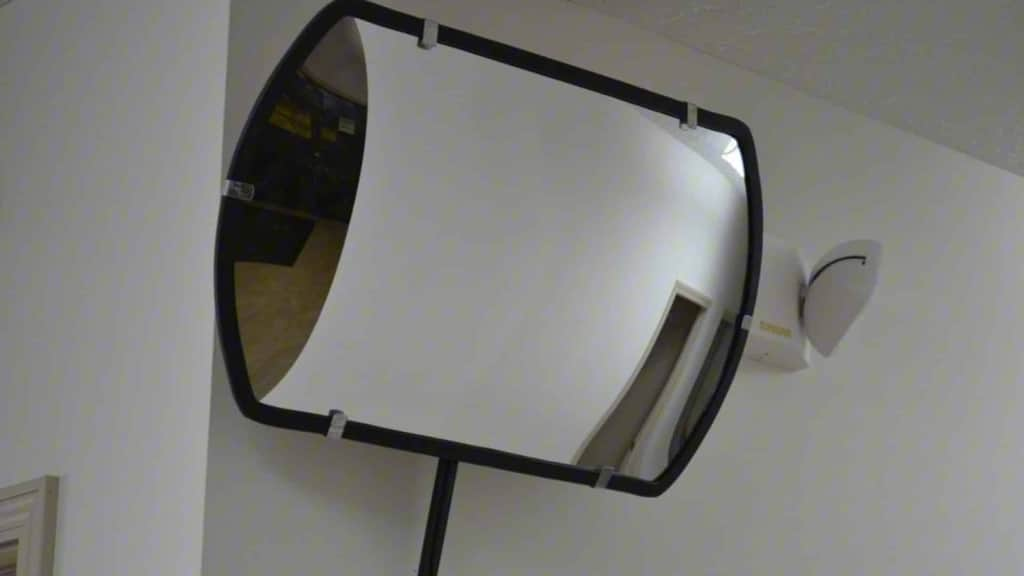
Consider HDPE backing for an outdoor convex mirror where rain and humidity make moisture resistance important. HDPE is the backing behind the lens, so check the lens material and bracket separately. Use the product specifications to confirm that the complete mirror and its mount are intended for the installation.
Updated October 10, 2025
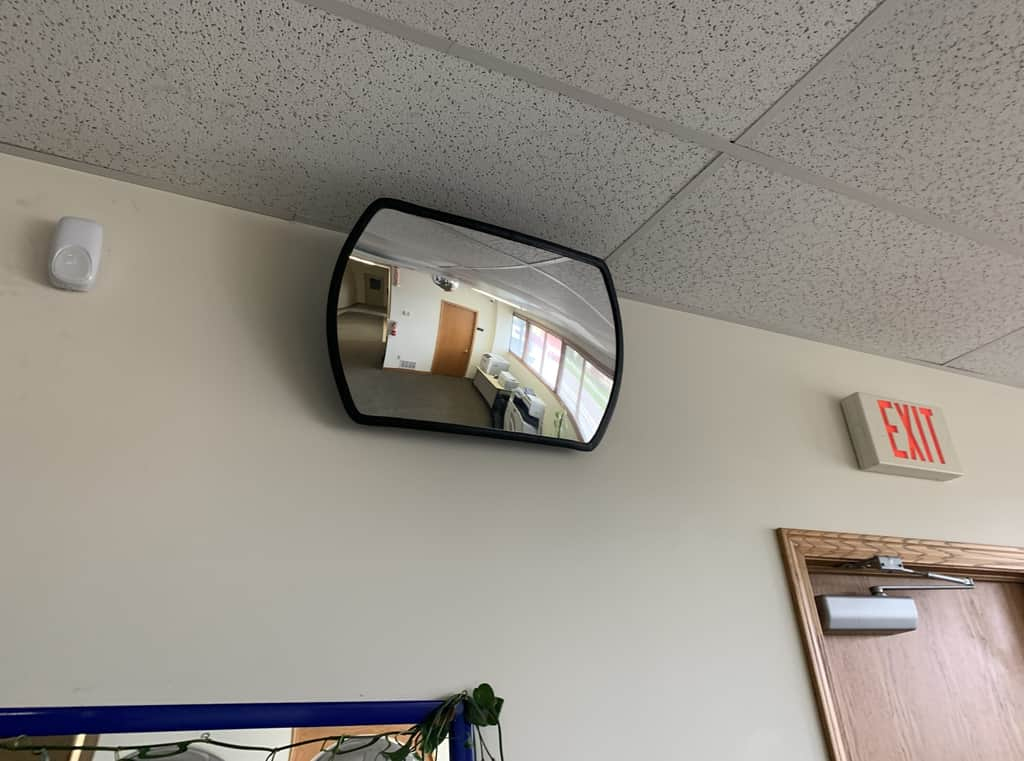
See why rectangular convex mirrors fit parking garages and low-clearance lanes where a standard round mirror can be harder to mount effectively.
Updated September 3, 2025
Use a rectangular convex mirror when a round mirror would hang too low in a parking garage, ramp, or service corridor. Its wider shape can cover a horizontal sightline while fitting a shorter space. Measure the available height and check the reflection from the intended viewing position before mounting.