Compare convex vs dome mirrors
Start with the core application split between one-direction convex coverage and multi-direction dome coverage.
Solutions by facility
Most people do not shop for a mirror by lens material. They have a corner in a specific building where somebody is going to get hurt or something is going to walk out the door. These pages start from the building. Pick yours, and the page shows where the blind spots are, which mirror goes at each one, what size to order for the distance, and how it mounts on the wall or ceiling you have.
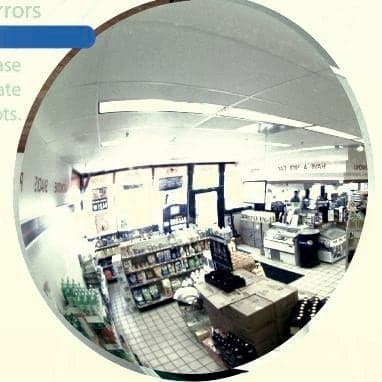
A convenience store needs two kinds of mirror: a dome mirror or DomeVex wide-view mirror mounted where the clerk can see the whole sales floor from the register, and smaller convex mirror…
See the mirrors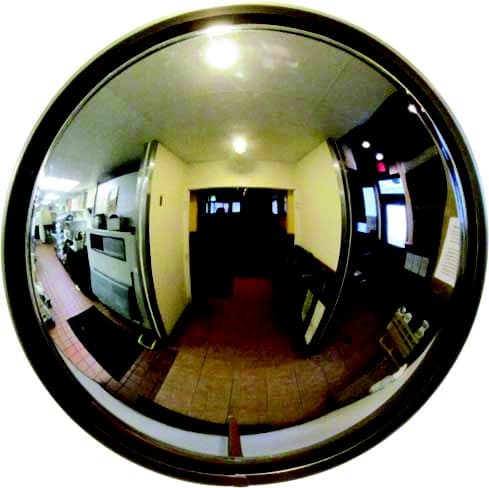
The mirror that pays for itself fastest in a restaurant is the one over the kitchen door.
See the mirrors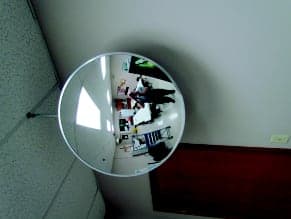
Office buildings have the same blind corners as any other building, plus a lot of people carrying coffee and looking at their phones.
See the mirrors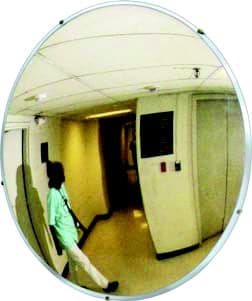
Hospital corridors are where beds, meal carts, wheelchairs, and staff in a hurry meet at right angles with no line of sight.
See the mirrors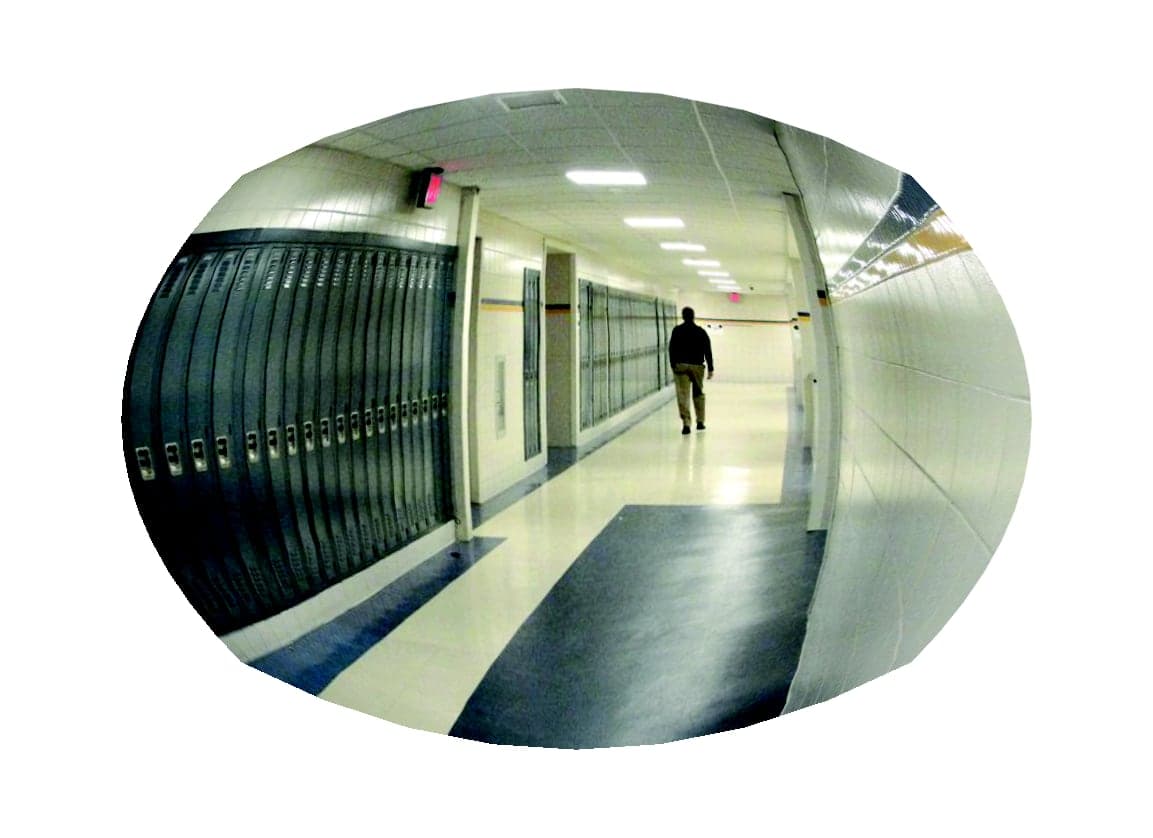
The manufacturer's school brochure names three places a mirror belongs: hallways, entrance and exit areas, and classrooms.
See the mirrors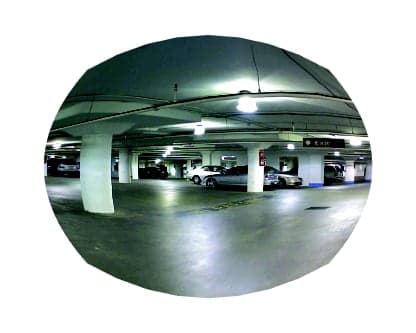
A parking garage needs a convex mirror at every point where a driver has to commit to a turn without seeing what is around it: ramp turns, the exit onto the street, aisle corners at colum…
See the mirrors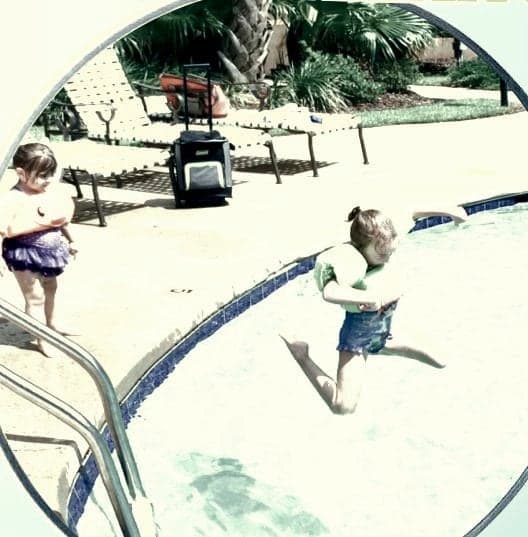
A pool safety mirror is an acrylic convex mirror on a plastic back mounted where a lifeguard or a parent cannot see: behind a water slide, under the guard chair, around a column or a wall…
See the mirrorsHow to use these pages
Each page covers one kind of facility. If yours is not listed, pick the closest match; a hotel kitchen reads the restaurant page, a nursing home reads the hospital page, a warehouse reads the parking garage page for its ramps and the convenience store page for its aisles.
Every page lists the four to six places in that building where someone cannot see what is coming, what goes wrong there, and the mirror that fixes it. Most buildings need three to five mirrors.
The sizing table on each page turns a distance into a diameter. The recommended-mirrors section links straight to the products, and every product ships with its mounting hardware.
Before you pick a size
Mirror type, lens material, backing, and bracket. These guides cover each one in more depth than the facility pages do.
Start with the core application split between one-direction convex coverage and multi-direction dome coverage.
Compare acrylic and polycarbonate when clarity, impact resistance, or weather exposure matters.
Clean acrylic mirror safely and avoid cleaners, cloths, and fasteners that can scratch or crack the surface.
Clean polycarbonate mirror lenses without ammonia cleaners, dry wiping, abrasives, acids, or solvents.
Match hardboard, HDPE, or galvanized steel backing to the environment and installation risk.
Use the bracket and mounting guide before choosing hardware for wall, pole, or outdoor installs.
Building not listed?
The category pages cover warehouse aisles, forklift traffic, driveway exits, and vehicle inspection. Or send a photo of the corner and we will tell you what fits.