Safety Mirror
A Comprehensive Guide to Understanding High-Density Polyethylene Plastic Durability
Understand how HDPE performs as a mirror backing material, including impact resistance, moisture resistance, and why it is used in many safety mirrors.
Why this article matters
A second HDPE-focused article that explains durability traits in plain language and ties them back to mirror backing performance in the field.
- Key point: HDPE is valued because it resists moisture, does not splinter, and tolerates impact well.
- Key point: Material strength alone is not the full story; bracket choice and installation exposure still matter.
- Key point: Backing selection should always be tied to the environment and expected abuse.
On This Page
Related Categories And Products
Our Mirrors with “Heavy-Duty Plastic Backing”
When National Safety Mirror lists a heavy-duty plastic backing, it usually means HDPE. The important part is not the acronym itself, but what it tells you about moisture resistance, impact tolerance, and how the backing is likely to hold up over time.
High-Density Polyethylene (HDPE) has several properties that make it a practical choice for mirror backing, contributing to functionality, durability, and safety.
- High Strength-to-Density Ratio: Due to its linear molecular structure, HDPE has a high strength-to-density ratio. This provides firm support to the mirror and helps prevent structural deformation.
- Impact Resistance: HDPE offers good impact resistance and can absorb shocks without breaking or cracking. This matters for mirrors, which are prone to impacts that can cause damage.
- Chemical Resistance: HDPE is also resistant to many chemical solvents. This helps keep the mirror and its backing from degrading due to chemical exposure, such as cleaning agents, which extends the life span of the mirror.
- UV Resistance: HDPE’s resistance to UV rays helps prevent discoloration and damage from prolonged exposure to sunlight.
- Thermal Stability: HDPE can withstand temperatures up to 120 degrees Celsius, which suits it to environments with significant temperature fluctuations.
Given these properties, HDPE provides a sturdy, resistant, and long-lasting backing for mirrors. It’s also worth noting that HDPE is readily available and is made from petroleum, a byproduct of oil.
Sources:
- Benefits of HDPE – Piedmont Plastics
- High Density Polyethylene – What Is It and Why We Use It? – Class Plastics
- HDPE Uses – Explore Common Applications for High-Density Polyethylene – AC Plastics
- What is High Density Polyethylene (HDPE) – Xometry
What is High-Density Polyethylene?
High-Density Polyethylene (HDPE) plastic is a common material used across many industries. This guide explains the durability of HDPE and the factors that contribute to its strength and resilience.
Step 1: Defining High-Density Polyethylene Plastic
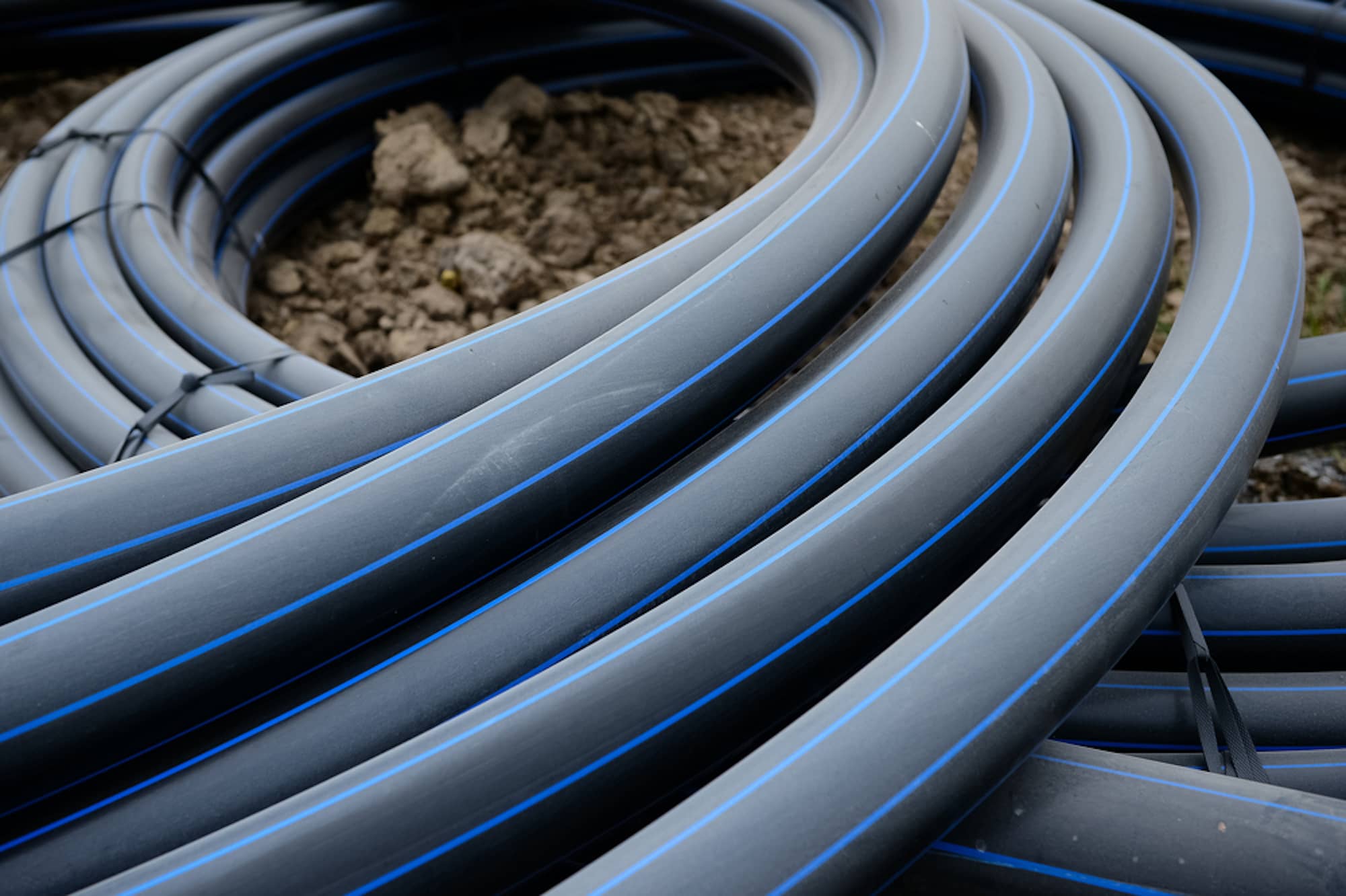
Before looking at the specifics of HDPE’s durability, it helps to understand what it is. High-Density Polyethylene is a thermoplastic characterized by:
- Its high strength-to-density ratio
- Its resistance to many solvents
- Its ability to withstand temperatures of up to 120 degrees Celsius
It is widely used in applications such as packaging for food and beverages, consumer goods, lining for landfills, and in the piping industry due to its resistance to mold, rot, and insects.
Step 2: The Science Behind HDPE Durability
The durability of HDPE comes primarily from its molecular structure. Its linear configuration means a closely packed structure, resulting in:
- High tensile strength: HDPE resists breakage under tension.
- High impact resistance: The shock absorption properties of HDPE make it well suited for packaging and transporting goods.
- Chemical resistance: HDPE is resistant to many acids, alkalis, and solvents, contributing to longevity under various environmental conditions.
Step 3: Assessing HDPE Durability
Measuring the durability of HDPE involves a series of tests, some of which include:
- Tensile Strength Test: Measures the force required to pull something to the point where it breaks.
- Impact Resistance Test: Determines the toughness of the plastic under high force or shock.
- Thermal Resistance Test: Tests HDPE’s ability to retain its structural integrity under high temperatures.
These tests give a measurable analysis of HDPE’s durability and show where its strengths lie.
Step 4: Durability Comparison with Other Polymers
To put the durability of HDPE in context, it helps to compare it with other types of plastic such as:
- Low-Density Polyethylene (LDPE): Thinner and less durable, LDPE is used in applications that do not require high tensile strength, such as plastic bags and films.
- Polyvinyl Chloride (PVC): PVC is less resistant to impact and shows lower thermal stability compared to HDPE.
- Polystyrene (PS): Mostly used for disposable items, PS does not offer the same level of durability as HDPE.
Compared to the above types, HDPE is a more durable option.
Step 5: Conclusions on HDPE Durability
Looking at the inherent properties of HDPE, we can conclude that its durability is high.
Its strength-to-density ratio, high tensile strength, and chemical resistance make HDPE a suitable choice for a wide range of applications. As industries continue to rely on durable, long-lasting materials, HDPE is well positioned to meet those needs.
Next Steps