Mirror backing controls weather resistance, weight, bracket requirements, and long-term durability. The lens determines what the mirror shows; the backing determines where the mirror can live.
The 30-second rule
- Hardboard: indoor-only walls, aisles, corridors, offices, and clean dry facilities.
- HDPE plastic: the preferred outdoor backing for most safety mirrors, including damp locations, coastal air, parking lots, and pole installs.
- Galvanized steel: use only when the job specifically needs steel's extra rigidity, extra weight, or abuse resistance.
Backing types at a glance
Match the backing material to where the mirror will live. These are the backing styles used across the National Safety Mirror convex mirror catalog.
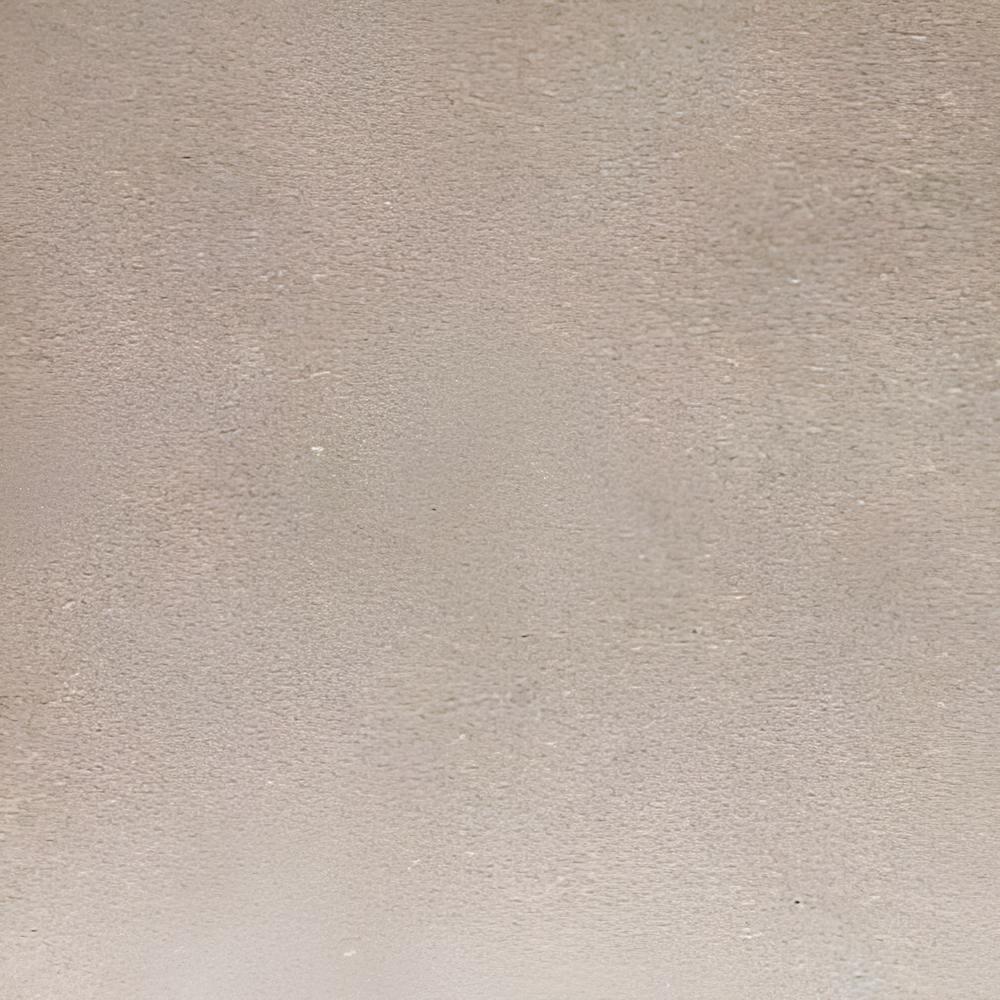
Indoor only
Hardboard backing
Economical, rigid backing for dry indoor locations such as aisles, corridors, offices, and controlled facilities.
Do not use outdoors or in washdown areas.
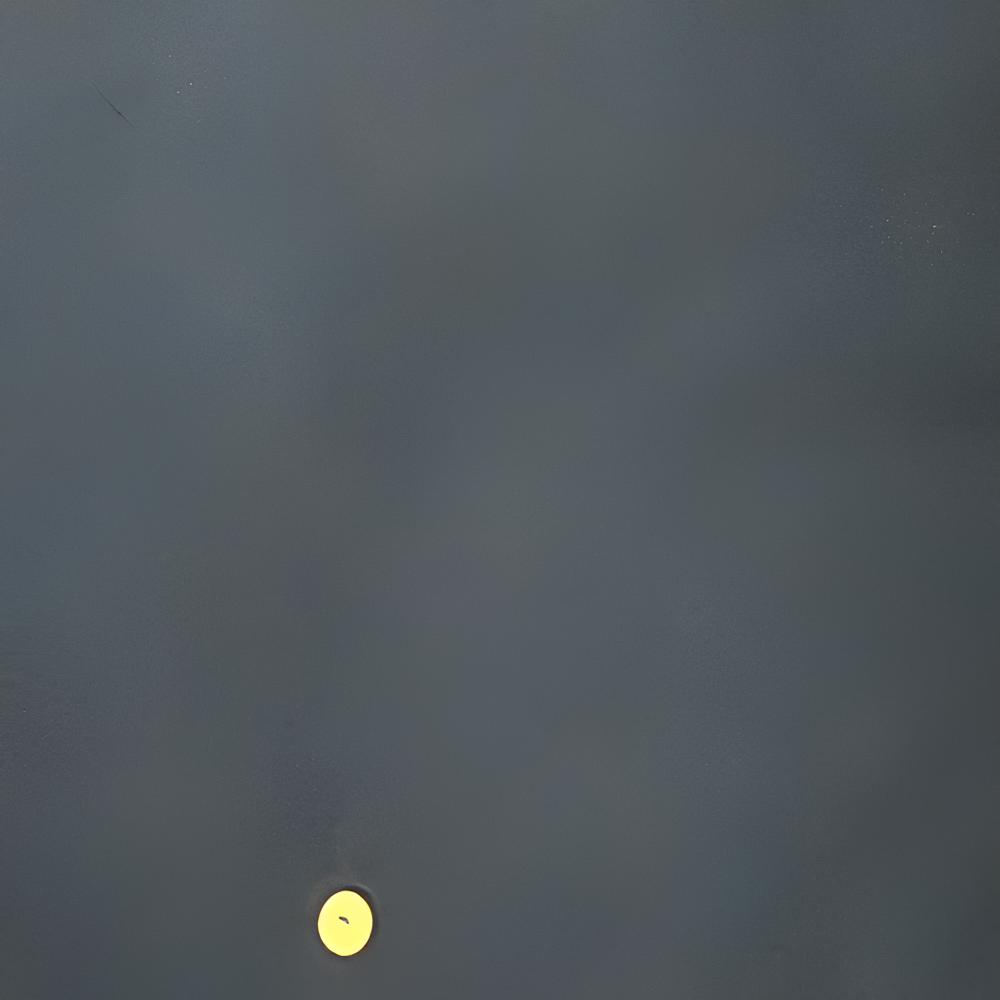
Best outdoor default
HDPE plastic backing
Weatherproof, rust-proof, lighter than steel, and well suited to damp, outdoor, pole, and coastal salt-air installations.
Recommended for most outdoor mirrors.

Steel where needed
Galvanized steel backing
Use when the project specifically needs steel rigidity, extra weight, or abuse resistance.
Heavier and coating-dependent; not the automatic outdoor default.
Backing comparison
| Backing | Best use | Weather notes | Bracket notes |
|---|---|---|---|
| Hardboard | Indoor dry walls and aisles | Not weatherproof; moisture can swell or warp it | Usually Z-bracket or single-arm telescoping for smaller indoor mirrors |
| HDPE / heavy-duty plastic | Most outdoor and damp-location installs | Rust-proof, corrosion-resistant, lightweight, and well suited to salt air | Pairs well with single, double, or triple telescoping brackets by mirror size |
| Galvanized steel | Jobs that specifically need steel rigidity or extra weight | Zinc coating protects the steel, but scratches, wear, and salt exposure can eventually lead to corrosion | Heavier backing may require double or triple telescoping brackets |
Riveted aluminum U-channel edge protection
National Safety Mirror convex mirrors use riveted aluminum U-channel around the mirror edge. That channel protects the perimeter, reinforces the lens-and-backing assembly, and helps the mirror last longer in service. The backing is not just loose material behind the lens; the edge channel ties the assembly together.
Hardboard backing
Hardboard is the economical choice for indoor mirrors. It is rigid, lightweight, and appropriate for controlled environments where the mirror will not see rain, snow, washdown, salt air, or persistent humidity.
Do not use hardboard outdoors. Moisture can cause swelling, warping, delamination, and rot.
HDPE plastic backing
HDPE, or high-density polyethylene, is the best default backing for most outdoor safety mirrors. It is waterproof, corrosion-resistant, lighter than galvanized steel, and not vulnerable to rust. It is also a practical choice in coastal and salt-air environments where metal coatings can wear over time.
HDPE backing is often the better value because it provides long outdoor life without the added weight and cost of steel. Use the mounting bracket table for the mirror size: smaller outdoor mirrors use single-arm telescoping mounts, 26 inch through 30 inch outdoor mirrors use double-arm mounts, and 32 inch through 48 inch outdoor mirrors use triple-arm mounts.
Galvanized steel backing
Galvanized steel is steel protected by a zinc coating. It can be useful when the installation specifically needs steel's rigidity, added weight, or abuse resistance. It is not automatically the best outdoor choice.
The zinc coating can eventually wear or scratch, and exposed steel can rust, especially in salt air or harsh weather. Galvanized steel is also heavier and usually costs more than HDPE, and metal expansion and contraction can matter in extreme temperature swings.
Which backing should you choose?
- Choose hardboard for indoor-only mirrors in dry facilities.
- Choose HDPE plastic for most outdoor mirrors, coastal locations, damp areas, and pole installs.
- Choose galvanized steel only when the job calls for steel rigidity, extra weight, or special abuse resistance.
Sources
- Curbell Plastics HDPE data sheet
- American Galvanizers Association: hot-dip galvanizing for corrosion resistance
- American Galvanizers Association: corrosion protection for steel
- Coastal Resource Group: HDPE vs. steel pipe
Keep indoor backing dry
Mirrors with no backing or treated hardboard backing are intended for indoor use. They may be used in covered areas only where they stay dry. For wet or very humid locations, choose galvanized steel (GB) or heavy-duty plastic (PB) backing.
More on HDPE backing
Frequently asked questions
basicsWhat backing options are available for safety mirrors?
usageWhat is hardboard backing and where should it be used?
materialsWhat is HDPE backing and why is it recommended?
selectionWhen should I choose galvanized steel backing?
Sources: American Galvanizers Association — ASTM A123 · ASTM A123 specification