Dome Mirrors
Maximizing Visibility: Full, Half, and Quarter Dome Mirrors Explained
Compare full, half, and quarter dome mirrors, see how coverage changes by placement, and use the article to narrow the right dome style.
Why this article matters
A dome-mirror primer that separates full, half, and quarter dome coverage so buyers can match shape and size to the actual viewing problem.
- Key point: Quarter domes suit inside corners, while half and full domes cover progressively wider areas.
- Key point: Coverage depends on both mirror shape and mounting position.
- Key point: Sizing should support the real viewing distance, not just the visual size of the mirror itself.
Related Categories And Products
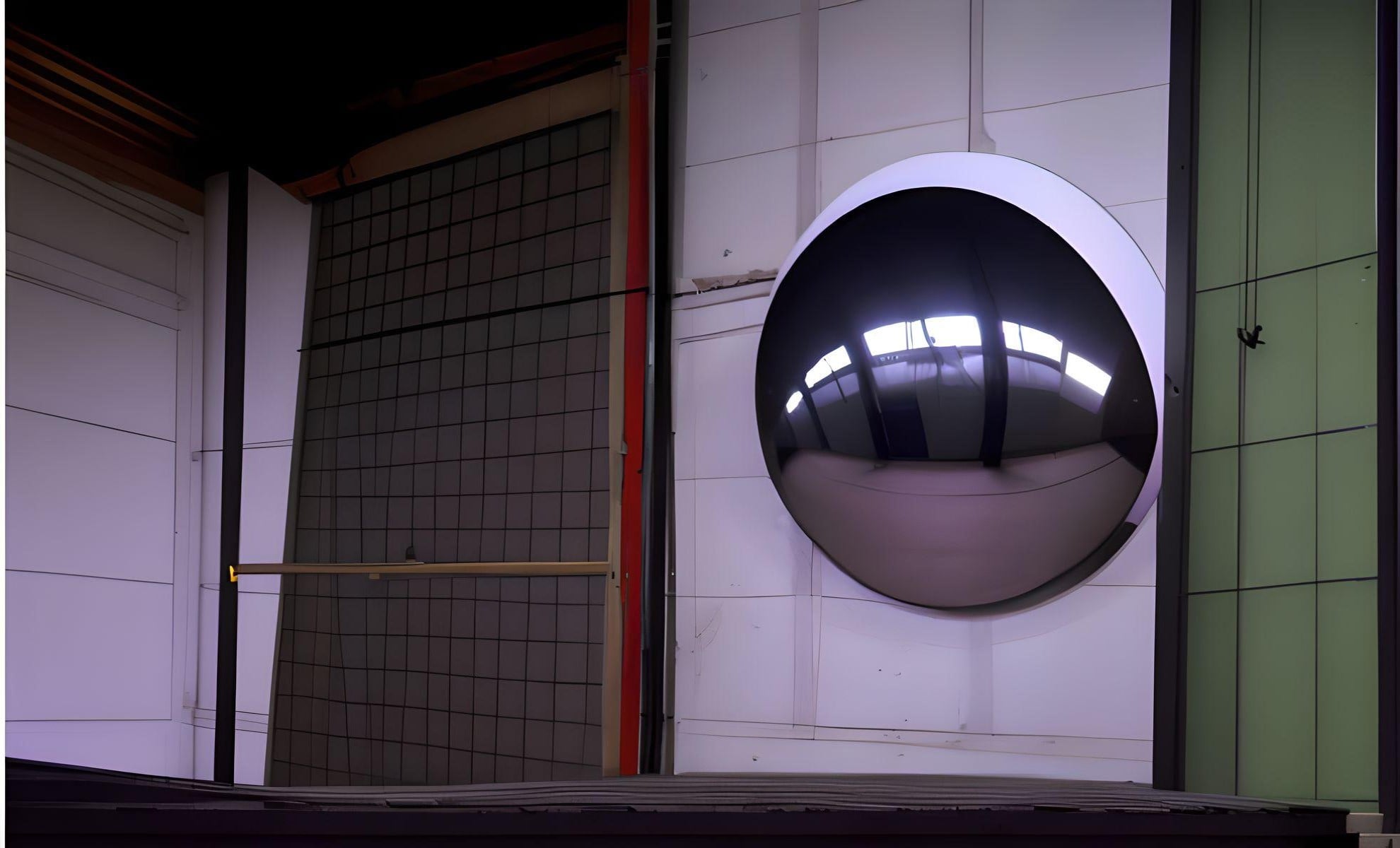
Full, half, and quarter dome mirrors are built for different coverage patterns, so the shape matters just as much as the diameter. If the choice feels fuzzy, start by asking how many directions need to be seen and where the mirror can actually be mounted.
Understanding Quarter Dome Mirror Sizing: A Comprehensive Guide to Full Dome Mirrors, Quarter Dome Mirrors, and Half Dome Mirrors
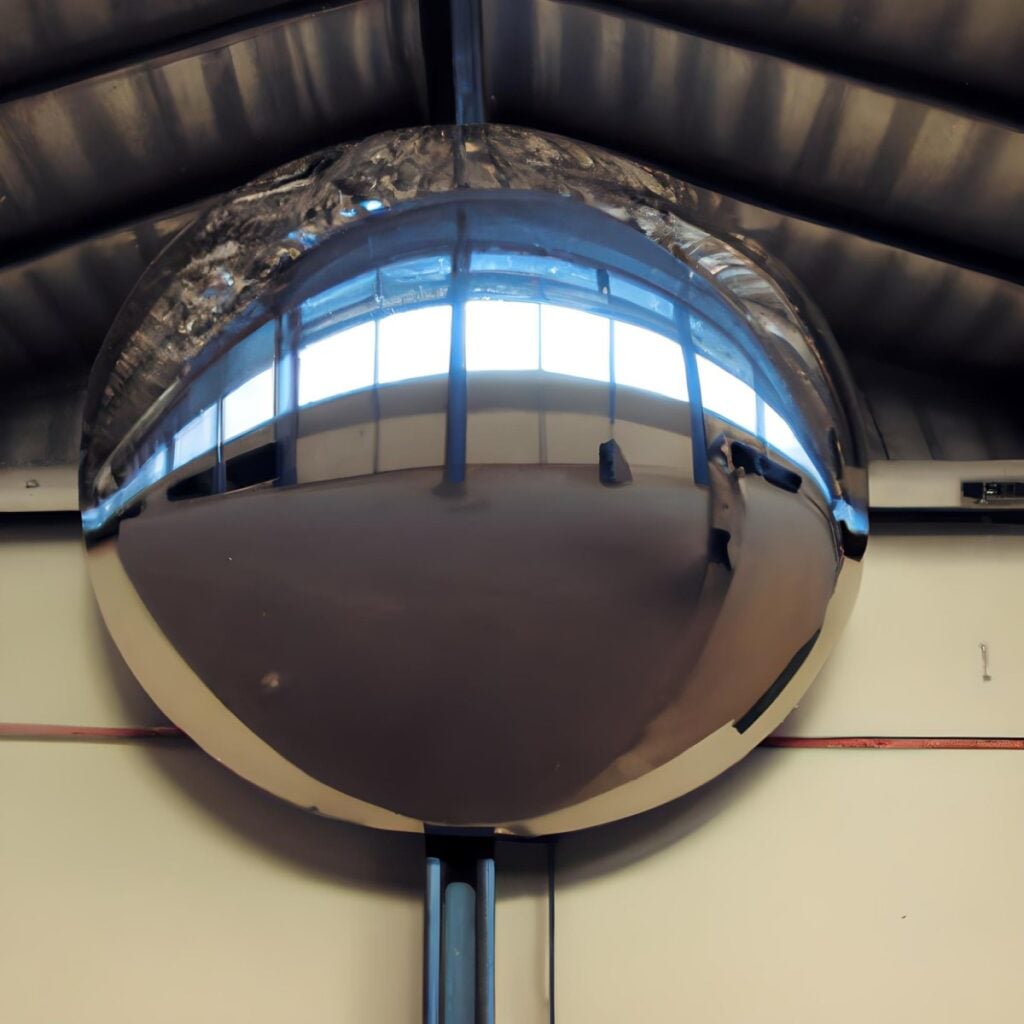
Understanding the sizing of quarter dome mirrors is essential to ensuring optimal visibility and safety in various settings. These mirrors, along with their full dome and half dome counterparts, are commonly used in retail stores, warehouses, and other areas where wide-angle surveillance is necessary. This article provides a comprehensive guide to understanding the sizing of these mirrors, which is crucial for their effective application.
Full dome mirrors, on the other hand, offer a 360-degree view and are often used in areas where a complete panoramic view is required. They are usually mounted on the ceiling in the center of a room. The size of a full dome mirror is also determined by its diameter, which can range from 12 inches to 48 inches. However, due to their design, full dome mirrors provide a larger viewing distance than quarter dome mirrors and half dome mirrors of the same size. For example, a 12-inch full dome mirror can cover up to 20 feet of viewing distance, while a 48-inch mirror can cover up to 80 feet.
Half dome mirrors, providing a 180-degree view, are typically used in hallways or at T-intersections where visibility of two opposite directions is necessary. Like quarter and full dome mirrors, the size of a half dome mirror is determined by its diameter, which can range from 12 inches to 48 inches. The viewing distance of a half dome mirror is generally greater than that of a quarter dome mirror but less than that of a full dome mirror. For instance, a 12-inch half dome mirror can cover up to 15 feet of viewing distance, while a 48-inch mirror can cover up to 60 feet.
Quarter dome mirrors, as the name suggests, provide a 90-degree view, making them ideal for corners and intersections. They are typically mounted in the corner of a room or hallway, simultaneously allowing for a clear view of two directions. The size of a quarter dome mirror is determined by the diameter of the full dome mirror, which can range from 12 inches to 48 inches. The larger the mirror, the greater the viewing distance it provides. For instance, a 12-inch quarter dome mirror can cover up to 12 feet of viewing distance, while a 48-inch mirror can cover up to 48 feet.
In conclusion, understanding the sizing of quarter dome mirrors and full dome and half dome mirrors is crucial for their effective application. The size of these mirrors, determined by their diameter, directly impacts their viewing distance. Therefore, when selecting a mirror, it is essential to consider both the size of the mirror and the viewing distance required. By doing so, one can ensure optimal visibility and safety in various settings.
Next Steps