Parking structure corners
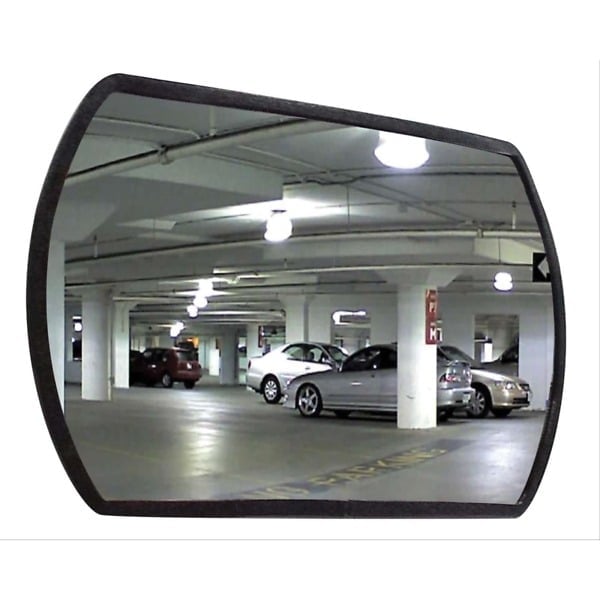
Use convex or rectangular garage mirrors around blind turns, ramps, support columns, and low-clearance corners where drivers need earlier awareness.
Tight-space visibility
Parking
garages, ramps, and structures
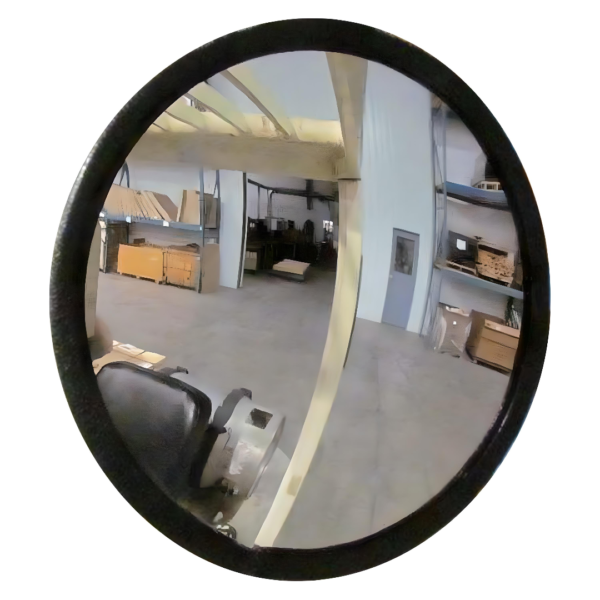
Convex
for one-direction blind corners
Dome
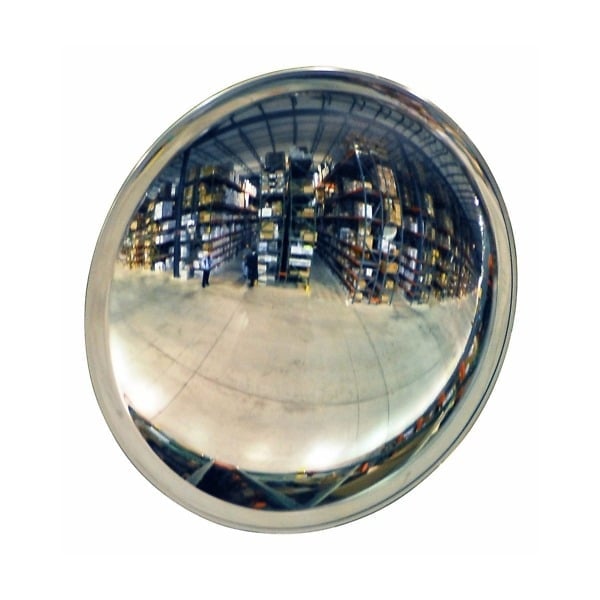
for multi-direction indoor crossings
Outdoor
requires weather-rated backing
Shop by product
Use convex or rectangular garage mirrors around blind turns, ramps, support columns, and low-clearance corners where drivers need earlier awareness.
Use outdoor-rated convex mirrors when drivers need to see past garage walls, landscaping, parked vehicles, fences, or driveway-edge obstructions.
Use convex or dome mirrors where carts, pedestrians, service vehicles, or equipment share tight interior paths with limited reaction distance.
Related guides
These links keep this category connected to the matching guide, adjacent mirror family, or installation help page instead of forcing a broad restart.
Keep garage buyers in the convex blind-corner category when the install is more aisle or wall based than parking-lot based.
Use the convex mounting guide for columns, ramps, walls, and structured parking installs.
Mirrors for exterior approaches and lot exits, where weather matters.
Visibility advice for ramps, columns, and low-clearance garages.
Mirrors by facility
Each page walks one kind of facility: the blind spots, the mirror for each one, the size to order, and how it mounts.
A parking garage needs a convex mirror at every point where a driver has to commit to a turn without seeing what is around it: ramp turns, the exit onto the street, aisle corners at colum…
3 products
showing all results
No products match these filters.
Try removing a filter or browse all products in this category.
Clear filtersFree sizing help
Send us a photo and an American-based specialist can usually recommend the exact model, size, and mount for your space — free, with no obligation.
Use-case comparison
Best when turns happen in enclosed or structured spaces
Best when the sightline problem extends into outdoor traffic
Parking garage turns usually need a wall- or column-mounted convex mirror aimed at one approach direction. Mount the mirror before the turn, not directly at the conflict point, so drivers see cross traffic early enough to slow down.
Ramp exits and low-clearance corners often work better with a rectangular convex mirror when the usable mounting area is narrow or close to a ceiling, pipe run, or overhead door track. Rectangular mirrors keep more viewing surface inside a constrained footprint.
Residential garage exits are closer to driveway mirror problems than indoor parking-garage problems. If the mirror sees weather, humidity, sprinklers, or direct sun, choose an outdoor-rated convex mirror with HDPE or galvanized steel backing instead of an indoor hardboard-backed mirror.
Mixed pedestrian and vehicle paths need the mirror format matched to traffic direction. Use convex mirrors for one main blind corner; use dome mirrors for indoor intersections where people, carts, and vehicles approach from multiple directions.
Garage selection guide
Use outdoor convex traffic mirrors when the sightline problem extends beyond the garage into a driveway, roadway, fence line, or parking-lot exit.
Use rectangular convex mirrors when the mounting area is narrow, ceiling-adjacent, or better served by a flatter top profile.
Use dome mirrors for indoor garage or facility intersections where people, carts, and vehicles approach from several directions.
Review bracket and placement guidance before choosing a wall, post, pole, or column installation.
Garage mirror questions
Need a recommendation?
Once NSM knows whether the issue is a parking-garage turn, a wall-adjacent corner, a ramp exit, or a residential exit, the mirror format, size, backing, and mount become much easier to narrow.